
 13Hours ago
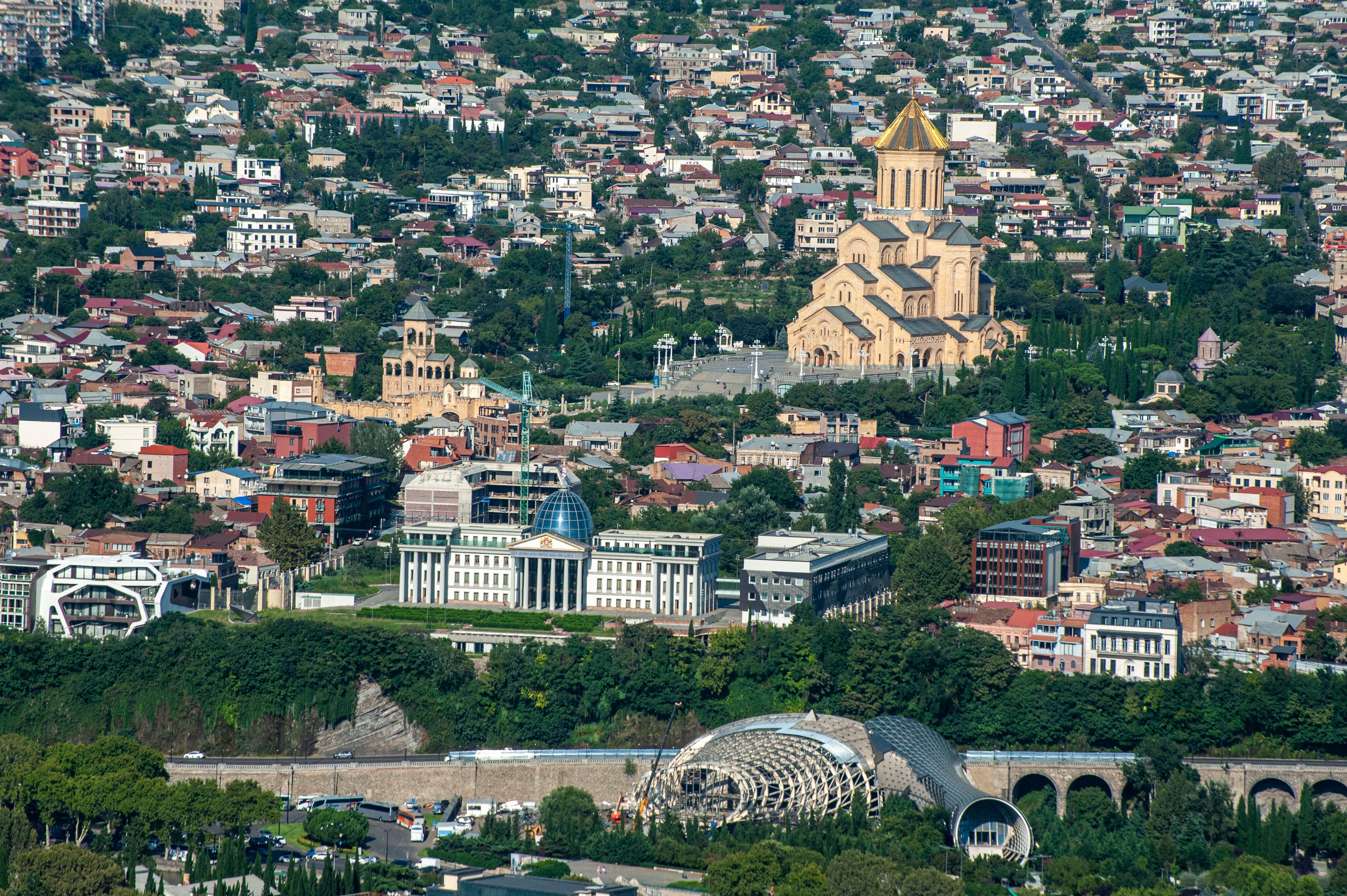
Georgia is seeking to establish itself as an international iGaming hub through a new licensing framework combining five-year permits, competitive taxation, real-time regulatory monitoring and access to banking services. The framework also relies on a public-private supervisory model, in which Georgian authorities retain licensing and enforcement powers while Random Systems Georgia (RSG) handles technical certification and monitoring.
Vakhtang Katamadze, founding partner of Georgia International Strategic Group (GISG) and a member of RSG’s supervisory board, told SiGMA News that the country’s approach is intended to give international operators greater predictability while simplifying the process of establishing a licensed business.
“Certainty comes from three things: a legal basis, a long licence term and a predictable regulator,” he said, pointing to the legislation underpinning Georgia’s new licensing regime. “The framework is enacted in primary legislation (Laws 1822–1826, June 2026), not in a ministerial letter that can be withdrawn. Georgia has a 20-year gambling regulatory track record.”
The country moved its international licensing regime from a July pilot to a full launch on 29 September. Legislation adopted in June provides five-year permits for online casino, slot games and sports betting aimed at foreign players. Each category requires a separate permit, costing GEL 100,000 annually (approximately €34,500). Operators also face a 5% tax on gross gaming revenue (GGR) and a monthly 1% monitoring fee on GGR.
A permit covers one internet domain. Georgian citizens are excluded from playing, as are foreign nationals under 18. No associated land-based gambling permit is required. The rules create a separate route for businesses serving international customers rather than Georgia’s domestic market.
How the oversight works
Georgia has divided regulatory responsibilities between public authorities and a private technology partner. The Revenue Service issues permits, collects taxes and retains enforcement powers, while Random Systems Georgia (RSG) handles platform certification, integration with the national monitoring system and ongoing technical supervision. Licensing decisions remain with the Georgian authorities.
Katamadze explained that platforms must connect to the national monitoring system before receiving their licences and remain connected thereafter. “Every bet, deposit and payout is visible to the state as it happens.”
The model is intended to give authorities direct sight of taxable GGR instead of relying solely on operators’ returns. Katamadze said technical audits generally take seven to ten business days and can proceed alongside other onboarding steps.
Putting a private company in charge of technical monitoring raises questions over the division of responsibility. Katamadze insisted public bodies retain licensing and enforcement powers.
His account was categorical: “RSG has no say in who gets a licence and no commercial interest in any operator.” He added that monitoring fees are fixed rather than tied to enforcement outcomes.
Banking and the route to launch
For Katamadze, there is little point in securing a licence if an operator cannot process payments. “Operators spend more energy finding a bank than finding players. Georgia closed that gap by design.”
GISG describes itself as the exclusive route for applicants, coordinating company formation, banking, payment processing and filings. According to Katamadze, Georgian banks are already processing gambling payments through Visa and Mastercard for licensed operators.
The pilot revealed where operators were losing time in the application process, Katamadze said. Company registration, account opening, technical auditing and Revenue Service filings previously happened in sequence. “Now they run in parallel, and an operator reaches a provisional certificate in 14 to 30 days with a bank account in the same window.”
The promised timeframe concerns a provisional certificate, rather than completion of every stage of the final permit process.
Beyond Georgia’s borders
The framework is designed for international activity, but overseas market access remains subject to local laws. Holding a Georgian permit is not a substitute for authorisation where another jurisdiction requires its own licence.
Katamadze made the limit clear: “An international licence lets you operate from Georgia. It doesn’t open every market in the world — no licence does.”
He expects the monitoring system to support that distinction by showing the countries from which player traffic originates. Ultimately, operators remain responsible for deciding where their products can lawfully be offered.
“The rule is simple: you don’t take players from countries where it’s illegal.”
What comes next for Georgia?
Katamadze said the next priorities are reducing compliance costs, simplifying player identification and allowing multiple brands to operate under one licence, which would require changes to the current permit rules. He also wants to expand payment options, including cryptocurrency processing. When it comes to prediction markets, Katamadze took a pragmatic view: “We would rather regulate them than pretend they do not exist.”
Although the framework has no local substance requirement, Katamadze hopes to attract more suppliers, compliance specialists and international operating teams to Georgia.
He said success over the next three to five years would be measured by the number of licensed brands actually operating, the volume of player payments processed through Georgian banks and the number of international teams relocating to Tbilisi and Batumi.
“The day a top-ten global operator moves its international hub here and calls it the obvious choice, Georgia is a hub.”